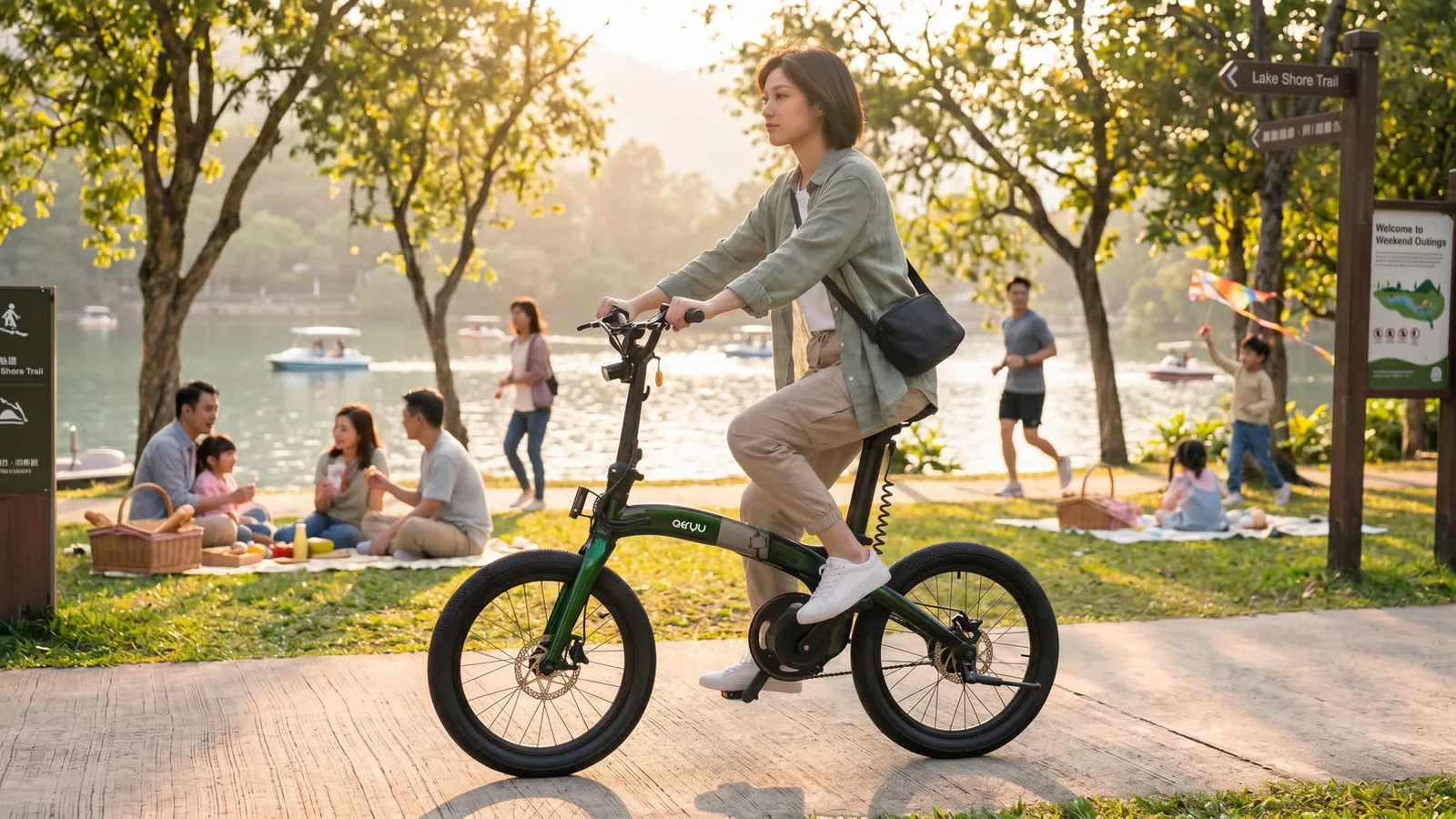
Noise: Gear Whine and Brand Differences
Bafang BBSHD is about 68 dB and BBS02 about 64 dB, while Bosch Performance CX is about 56 dB thanks to helical gears and tight tolerances.
Read article →
Company updates, product innovation and selected insights for compact electric mobility.
Bafang BBSHD is about 68 dB and BBS02 about 64 dB, while Bosch Performance CX is about 56 dB thanks to helical gears and tight tolerances.
Read article →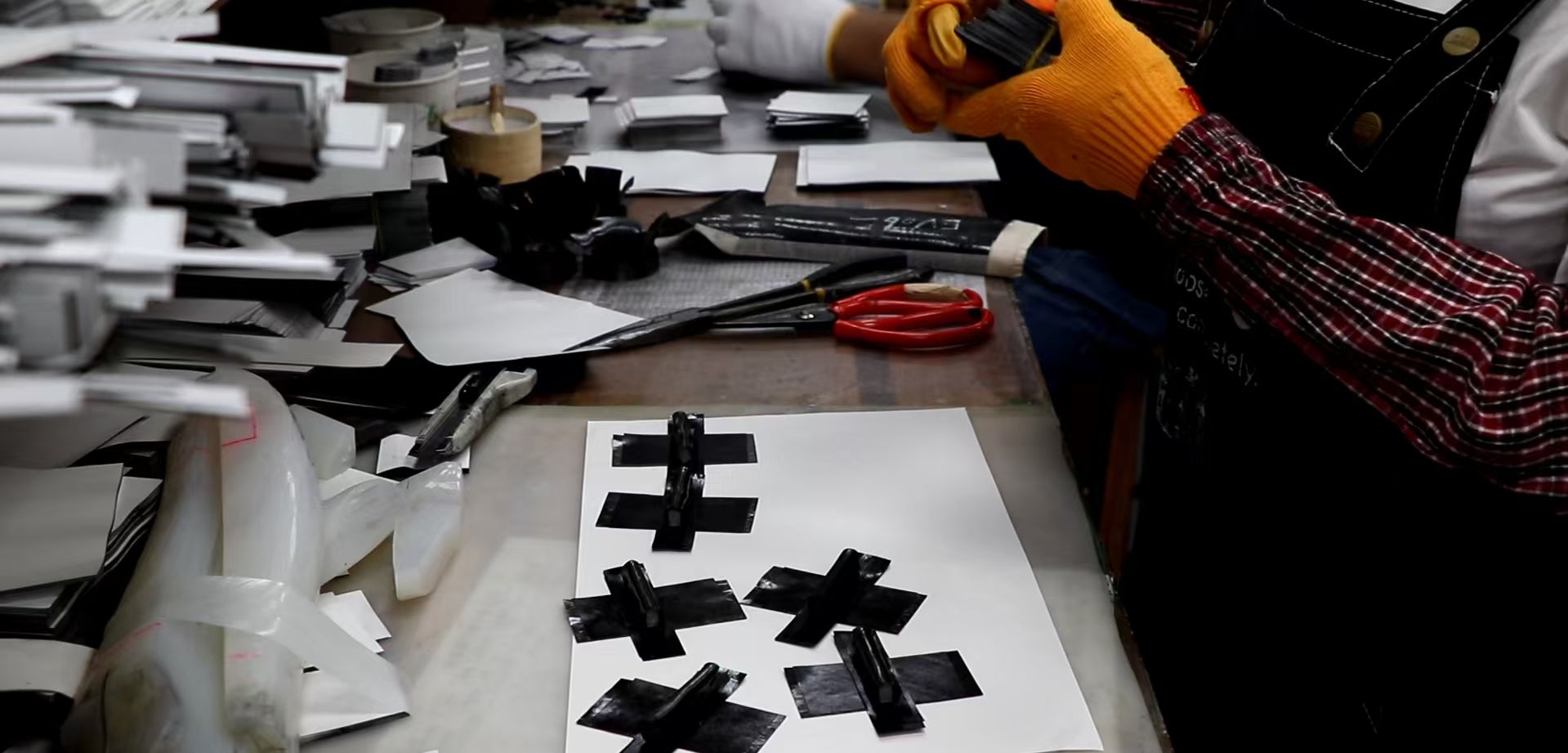
A shifted, dirty or poorly aligned magnet ring causes laggy or jerky assist, and torque-sensor drift requires re-calibration.
Read article →
Torque sensors such as Bosch sample over 1000 times per second for a natural feel, while cadence sensors found in most Bafang kits only detect rotation, not effort, giving an abrupt "on/off" feel.
Read article →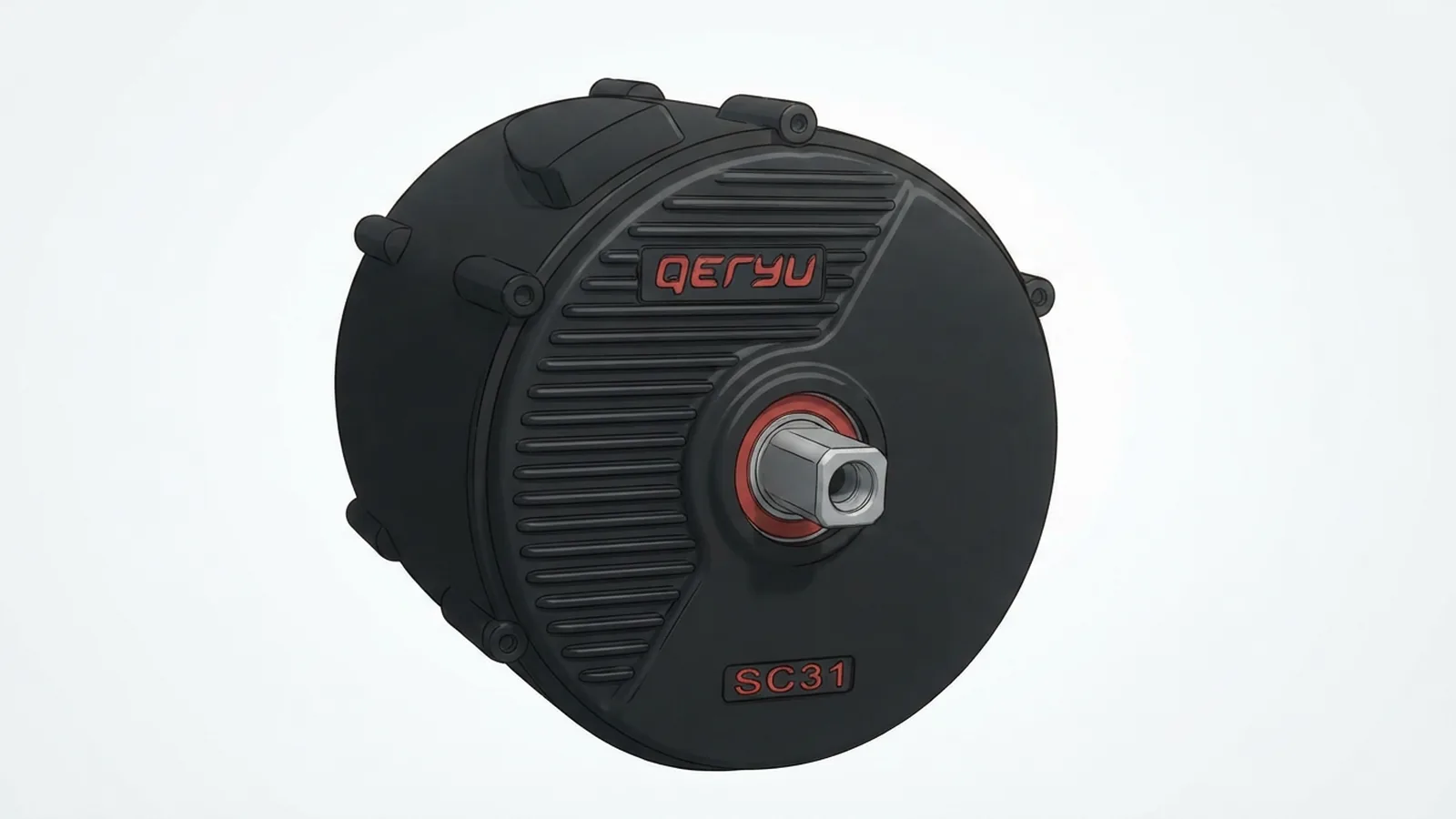
Riders must downshift before a climb and pedal lightly while shifting, or the sudden motor torque causes chain skip or break; under load the motor cuts assist.
Read article →
About 90% of "no power at all" cases are actually loose or corroded connectors; the main motor plug or 12-pin pin retraction is a common root cause.
Read article →
Error codes differ by brand, so users cannot self-diagnose and must consult the manual or dealer.
Read article →We recommend professional service every six months and chain elongation measurement. This article lists typical service items and cost ranges.
Read article →
Proprietary components that are hard to source and not sold individually raise replacement cost and lead time. This article examines the impact of vendor lock-in on B2B channels.
Read article →Opening the mid-drive case by yourself usually voids the warranty, and lithium batteries must never be opened by users because of fire and shock risk, so repair must go to qualified service.
Read article →Bosch needs proprietary diagnostic software and dealer service; post-warranty repair runs 400 to 800 US dollars with a two to four week parts wait. Bafang can be user-repaired: controller about 80 US dollars, gear set about 30 US dollars, in 30 to 60 minutes.
Read article →A mid-drive needs regular chain elongation checks, drivetrain cleaning, and torque or cadence sensor calibration, so its care list is clearly longer than that of a hub motor, raising the bar for dealer service.
Read article →A mid-drive with its drivetrain often costs over 1,500 yuan, two to three times a hub motor; one study puts the three-year total cost of a mid-drive of ownership about 1,455 US dollars above a hub, including 150 to 300 US dollars yearly maintenance and battery amortization.
Read article →