
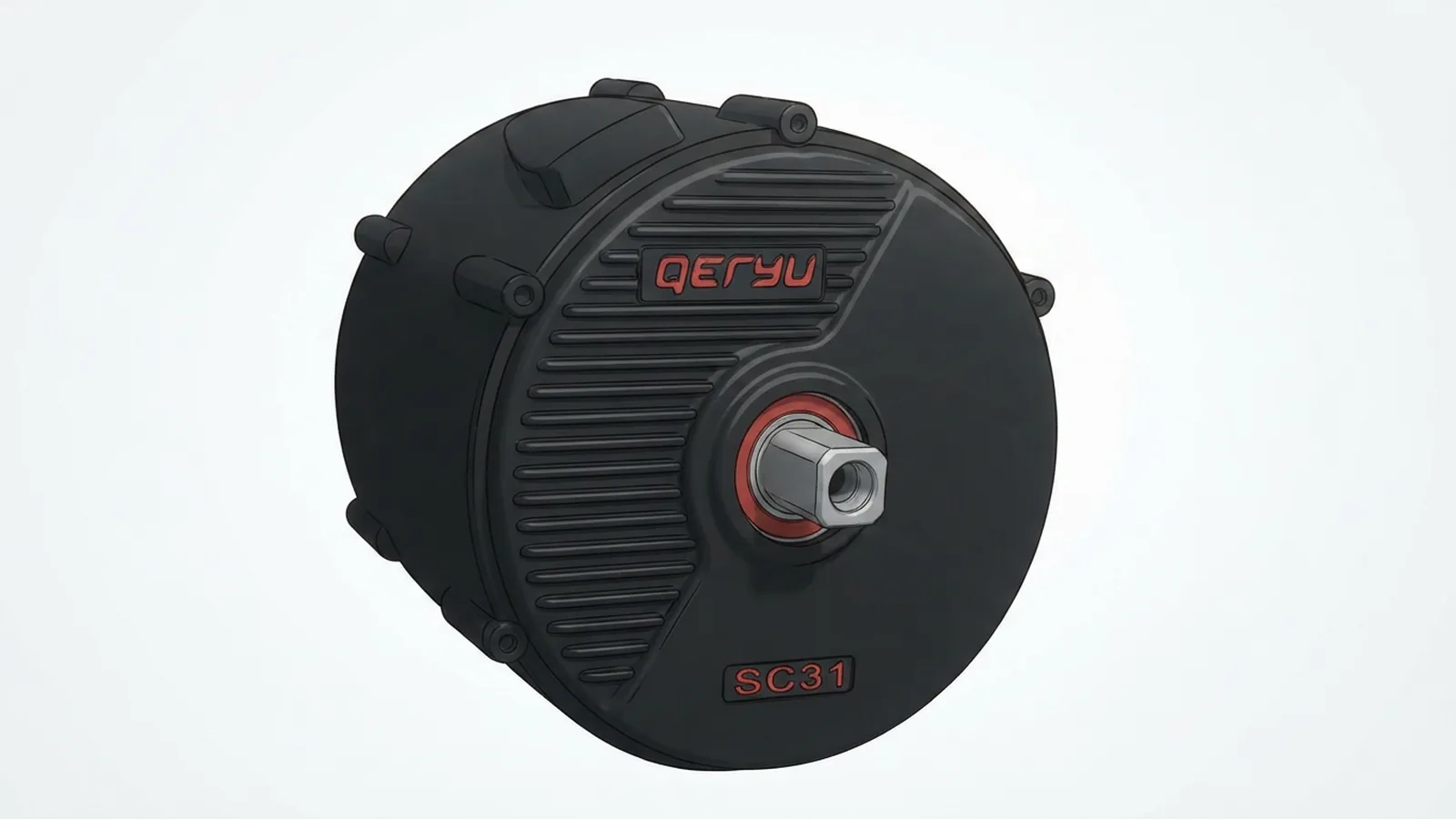
Opening the mid-drive case by yourself usually voids the warranty, and lithium batteries must never be opened by users because of fire and shock risk, so repair must go to qualified service.
A mid-drive is a precise electromechanical unit. Inside the case sit not only the windings but also the control board, torque sensor, and seals. Many users open it out of curiosity or to save a repair bill, and then pay far more.
The common rule across the industry is that opening the motor case by yourself usually voids the manufacturer warranty outright. Even if the fault was covered, broken seals or odd screw marks let the maker deny the claim.
The risk goes well beyond warranty. Lithium batteries must never be opened by users. Punctured, shorted, or wet cells can enter thermal runaway and catch fire, and the high-voltage circuit poses a shock hazard. Any battery repair must go to qualified service in a controlled setting.
Documentation and traceability protect both sides when something goes wrong. A recorded service history at authorized points proves the unit was handled correctly, which speeds warranty claims and supports residual value at trade-in or resale. For fleets, a clear red-line policy also reduces the chance that a well-meaning mechanic voids coverage with a single unauthorized opening, an expensive mistake that falls straight to the bottom line of the operator. QERYU pairs tamper-evident seals with a digital service record so the boundary between user care and factory service stays unambiguous and auditable.
Dealers and operators should state a clear "red-line list" at handover and send battery and motor work to authorized service. Buyers should put warranty terms and recycling or disposal flow into the purchase contract appendix.
Clear communication at the point of sale prevents most of these disputes, which is why QERYU prints the red lines on the warranty card in three languages.
QERYU fits tamper-evident seals and serial tracking on motor and battery, with clear "do not open" labels. We also build an authorized service network and a modular swap mechanism so users still get low-cost, compliant repair without crossing the red line.