
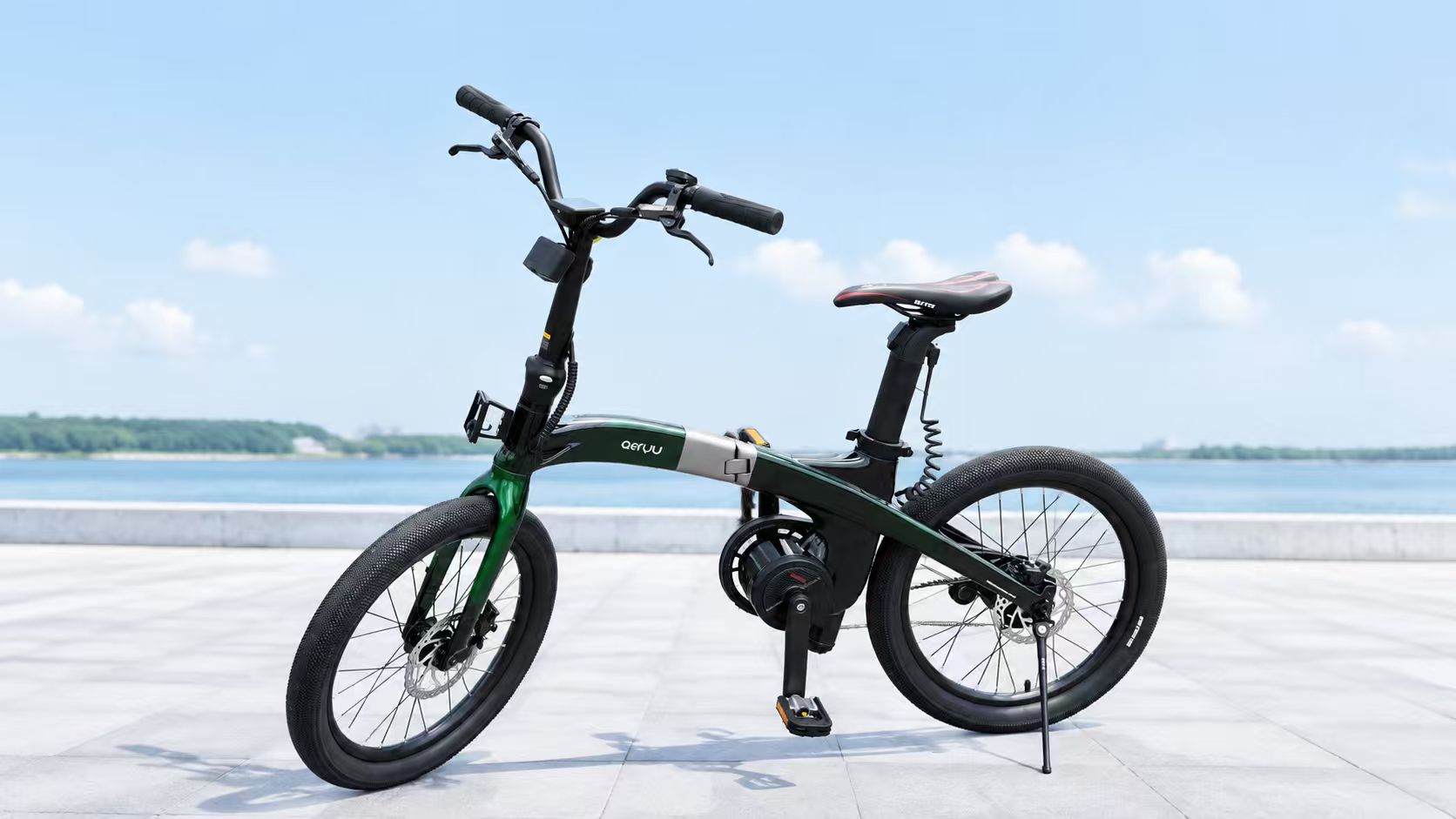
A practical guide to the two common pedal-assist sensing systems and how each one affects response, control and everyday riding.
An e-bike needs to know when and how strongly a rider is pedaling before it can deliver assistance. Cadence sensors and torque sensors solve this task differently, which is why two bikes with similar motors can feel very different on the road.
A cadence sensor detects whether the cranks are rotating. Once pedaling begins, the controller delivers the assistance assigned to the selected level. This system is simple and can make riding feel effortless, but power may arrive less gradually when starting, turning slowly or riding through crowded areas.
A torque sensor measures pressure applied through the pedals. Push harder and the motor generally contributes more; ease off and assistance decreases. The result often feels closer to natural cycling and gives the rider finer control on hills, at low speed and when conserving battery energy.
Neither system is automatically right for every rider. Cadence sensing can suit riders who prefer easy, consistent assistance, while torque sensing can suit those who value responsive control. A useful test ride should include starts, climbs, slow turns and several assist levels rather than judging the system on specifications alone.