
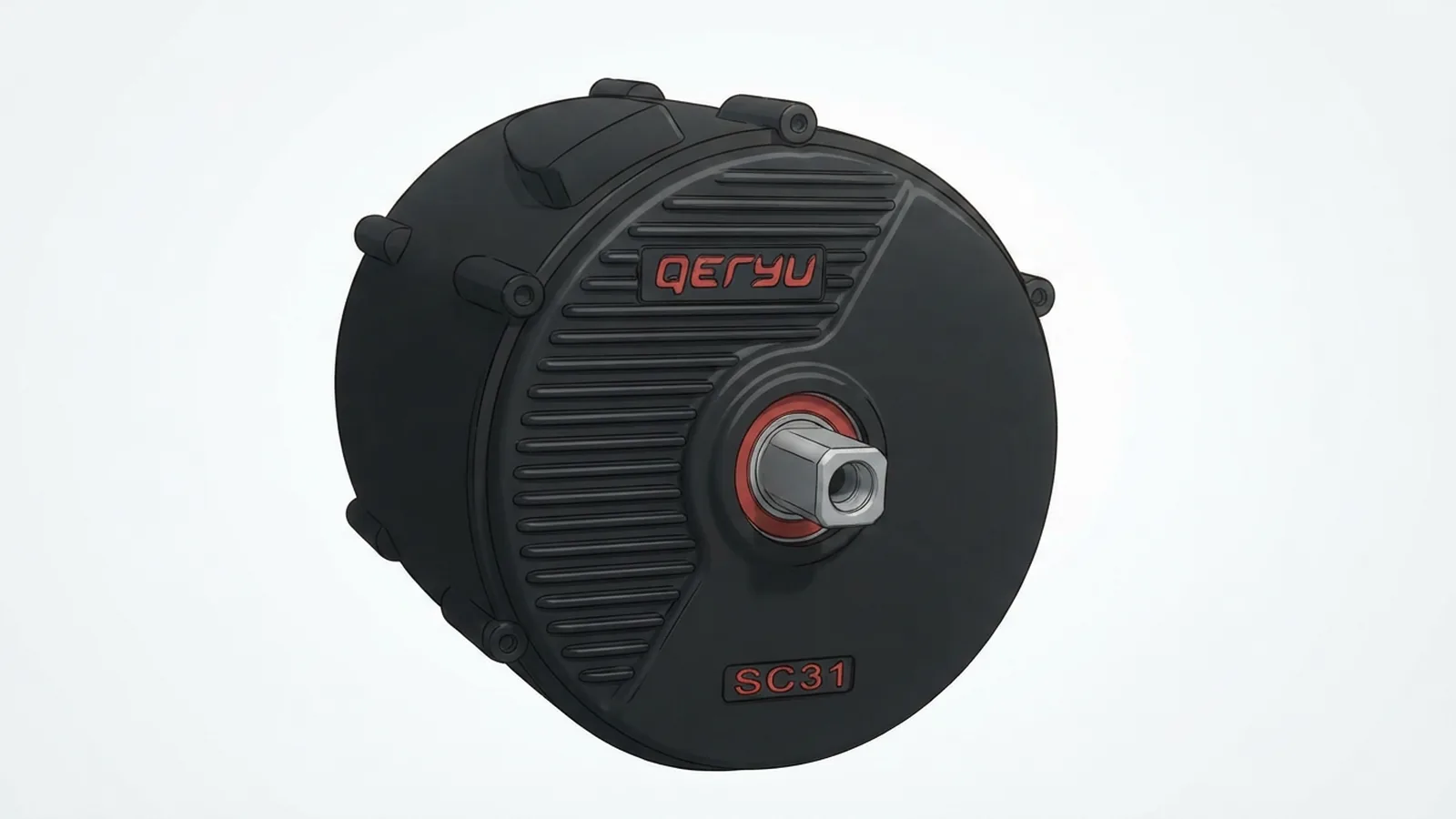
Mid-drives drain more on climbs and high assist; 500 cycles cut capacity about 20 percent, cold another 20 to 30. QERYU states degradation in spec.
Buyers often ask whether a mid-drive drains the battery faster. On flat cruise the difference is small. On steep climbs and high assist levels, however, the mid-drive sustains high power to stay in sync with pedaling, so per-distance consumption is genuinely higher. The torque sensor draws current in proportion to pedal force, so aggressive riders pay more at the plug.
Degradation matters too. After about 500 full charge cycles, a lithium battery typically loses about 20 percent of usable capacity. That means after two years of heavy use, the rated range should be read at about 80 percent.
Add cold weather and the picture sharpens: the cold removes another 20 to 30 percent. A user who is fine in summer but anxious in winter is feeling the combined effect of degradation and low temperature.
For B2B customers, batteries should be serviced by health, not by nameplate. Write the 500 cycles and the about 20 percent capacity loss into the operations manual, schedule swaps and residual value on real capacity, and stop treating normal aging as an individual defect. This turns a vague complaint into a planned cost.
QERYU writes degradation into the spec sheet. We use automotive-grade cells with a stated cycle life, and the BMS shows a capacity health reading. Efficient inversion and on-demand assist cut wasted power on climbs, so the fear that a mid-drive drains more is answered with engineering data.