
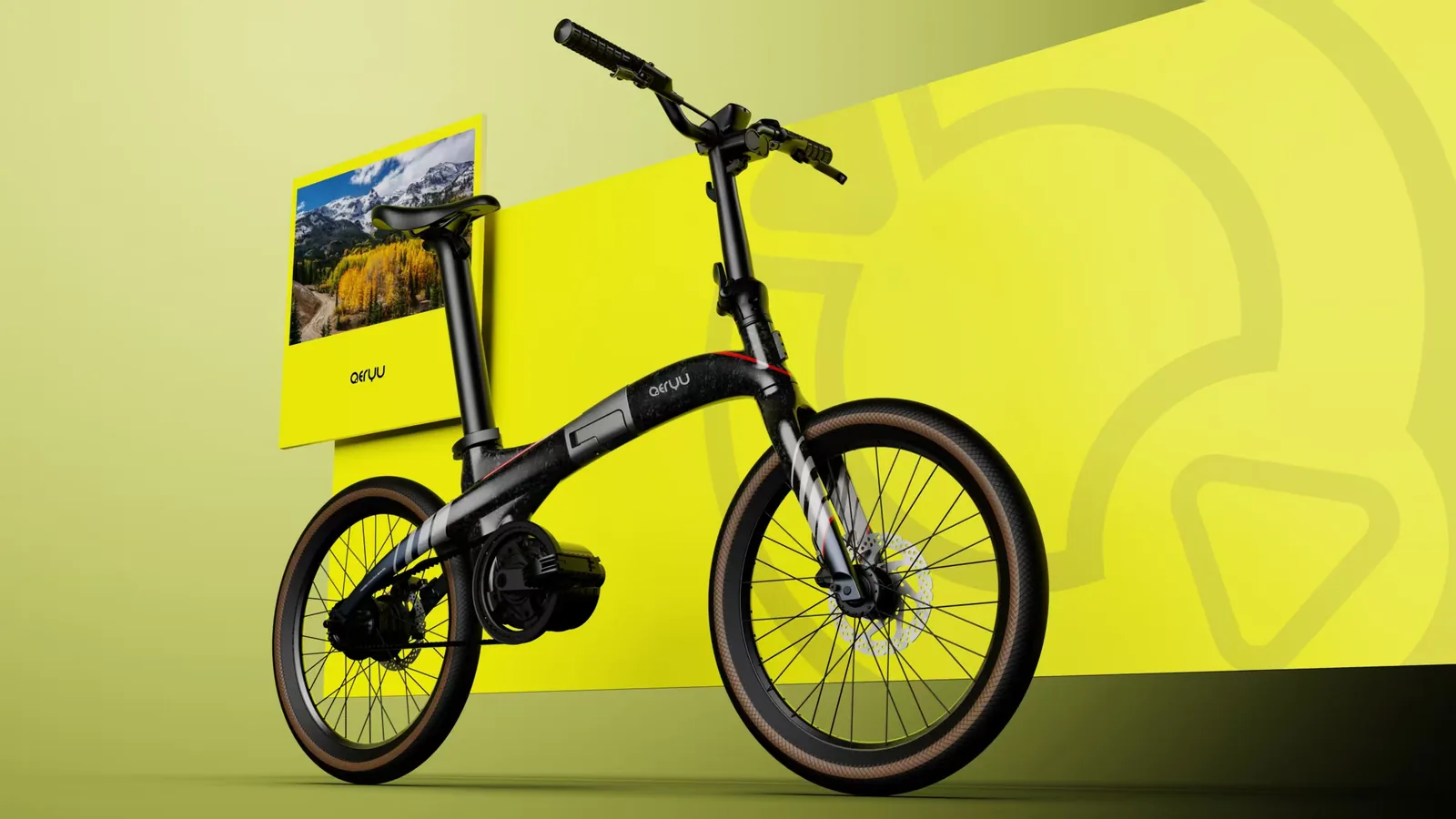
Folded size is only one part of the decision; weight, locking points, fit, serviceability and local rules matter too.
A folding e-bike is often chosen for mixed journeys: riding to a station, storing the bike in an apartment, carrying it in a vehicle or keeping it close at work. The best choice therefore depends on how the bicycle will be moved and stored, not only how small it looks when folded.
Check the complete folded dimensions and the actual weight with the battery installed. Fold and unfold the bike yourself, paying attention to hinge alignment, safety catches, handlebar security and whether cables are pinched. A compact bike that is difficult to lift or awkward to roll may not suit a journey with stairs or frequent transfers.
The unfolded bicycle still needs to fit properly. Confirm saddle and handlebar adjustment, braking reach, low-speed stability and comfort over the surfaces you normally ride. Consider tire size, drivetrain, lighting, mudguards and cargo options according to commuting needs rather than choosing features only by appearance.
Finally, check replacement parts, battery support, warranty service and the e-bike rules that apply where the bicycle will be used. Motor output, assisted-speed limits and throttle rules vary by market. A suitable folding e-bike should work as a complete transport tool after purchase, not simply perform an impressive fold in the showroom.